
How to Protect Your Kidneys

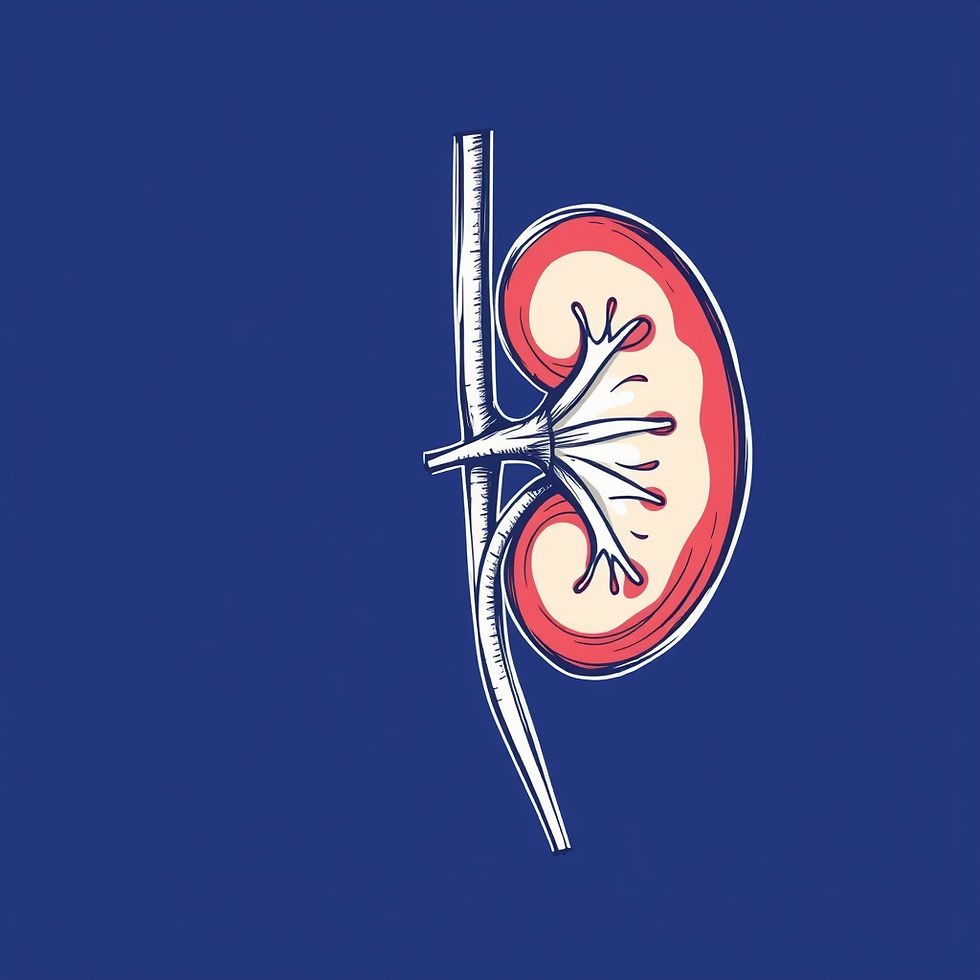
Your kidneys are important. They clean your blood and keep your body healthy.If you have kidney disease, there are many things you can do to slow it down and feel better. Here are the most important steps.
1. Keep Your Blood Pressure Under Control
High blood pressure can hurt your kidneys.
What you can do
Try to keep your blood pressure around 130/80.
Take your blood pressure medicine every day.
Many people with kidney disease take medicines like lisinopril or losartan.These help protect the kidneys.
Limit your intake of salt, which increased your blood pressure
Increase your intake of garlic, magnesium rich foods, and potassium rich foods, which lower your blood pressure
Deep breathing and meditation practices can help manage your blood pressure
2. Manage Your Blood Sugar
High blood sugar can damage the kidneys over time.
Medicines that help your kidneys
Some diabetes medicines help protect your kidneys even if your blood sugar is okay:
SGLT2 inhibitors (like Jardiance or Farxiga)
GLP-1 medicines (like Ozempic or Wegovy)
Ask your doctor if these are right for you.
3. Eat a Kidney-Healthy Diet
What you eat can make a big difference.
Good choices
Eat mostly plant foods: fruits, vegetables, beans, nuts, whole grains
Try a Mediterranean-style and Anti-inflammatory
diet
Keep salt low (under 2,000 mg a day)
Choose lean proteins like fish, beans, tofu, or small amounts of chicken
Eat plenty of healthy fats, including extra virgin olive oil, walnuts, and flax
Eat lots of fiber, including beans, fruits, vegetables, and whole grains
4. Be Active
Exercise helps your heart, blood pressure, and blood sugar—all of which protect your kidneys.
Goal
Try to move your body 30 minutes a day, most days of the week.
Walking, dancing, swimming, or biking all count.
Strength training is essential for your kidneys.
Tai chi, Qi gong, and yoga are beneficial for your kidneys, blood pressure, and may improve your mental health
Start small if you need to. Even 10 minutes helps.
5. Avoid Things That Can Hurt Your Kidneys
Some things can cause sudden kidney injury.
Try to avoid
Ibuprofen, naproxen, and other pain pills like these
Getting dehydrated
Using contrast dye for imaging without telling your doctor
Taking certain medicines when you are very sick with vomiting or diarrhea
Always ask your doctor or pharmacist if a medicine is safe for your kidneys.
6. Take Medicines That Protect Your Kidneys
Your doctor may recommend one or more of these:
RAS blockers (ACE inhibitors or ARBs like lisinopril or losartan)
SGLT2 inhibitors (Jardiance, Farxiga)
nsMRA medications (finerenone/Kerendia)
GLP-1 medicines (Ozempic, Wegovy)
These medicines work together to slow kidney damage.
7. Know Your Kidney Numbers
You will have three important tests:
eGFR – shows how well your kidneys work (your "percent" of kidney function working)
ACR (urine test) – shows if there is protein in your urine
Protein in your urine is a sign your kidneys need help.Your doctor checks these to make sure your treatment is working.
8. When Kidney Disease Is Severe
If your kidneys are very weak:
It is important to limit salt.
You may need to limit protein, potassium, or phosphorus, depending on your labs.
Some medicines are stopped when kidney function gets very low.Your doctor will help decide what to continue.
Some people choose conservative care, which focuses on comfort and quality of life.
Key Points to Remember
You can help slow kidney disease by:
Keeping blood pressure under control
Managing blood sugar
Taking kidney-protective medicines
Eating a healthy, plant-forward diet
Exercising regularly
Avoiding medicines that harm the kidneys
Knowing your lab numbers


Comments